The Impact of Remote Work on Relocation Trends


The normalization of remote and hybrid work models has been the single largest driver of demographic shifts in recent history. By decoupling employment from geographic location, remote work has fundamentally changed where people choose to live—and how they move.
The Rise of Commuter Towns
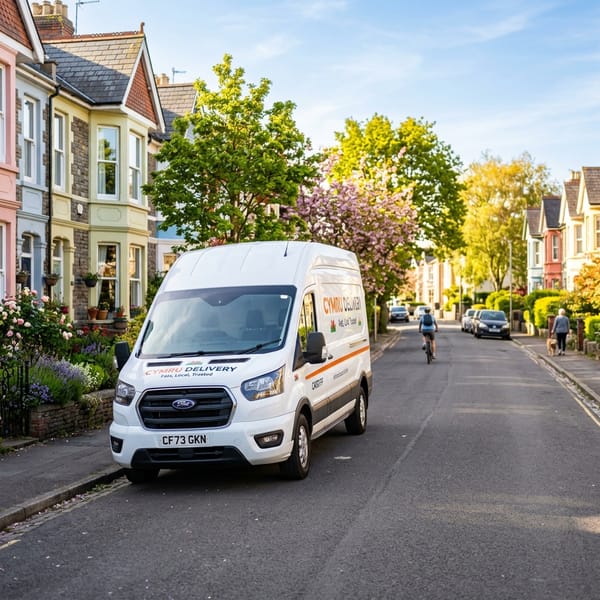
With professionals only needing to visit the office once or two days a week, proximity to the city center is no longer a requirement. This has led to a massive migration toward commuter towns and suburban areas, where buyers and renters can get significantly more space for their money.
Home Office Demands
The physical space requirements of households have changed. A dedicated, quiet home office is now one of the most highly requested features in real estate. Many professionals are relocating specifically to secure an extra bedroom or study to accommodate their work-from-home lifestyle.
Streamlined Digital Moving
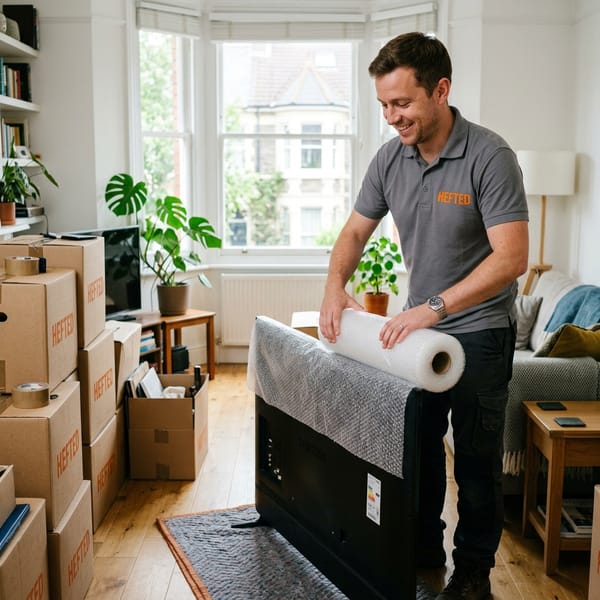
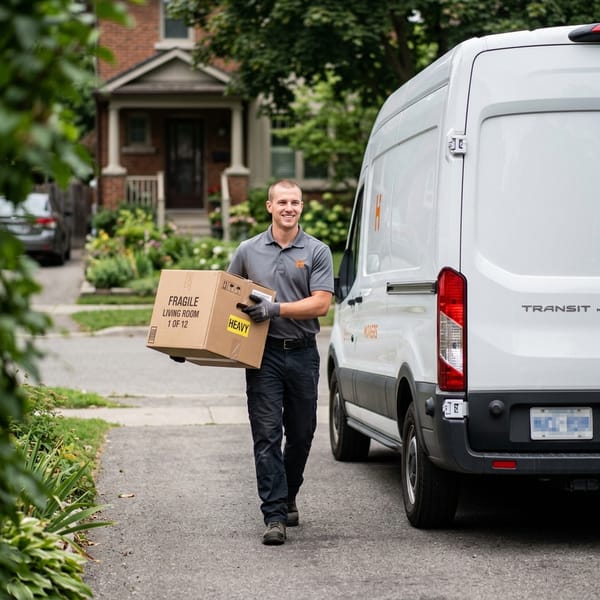
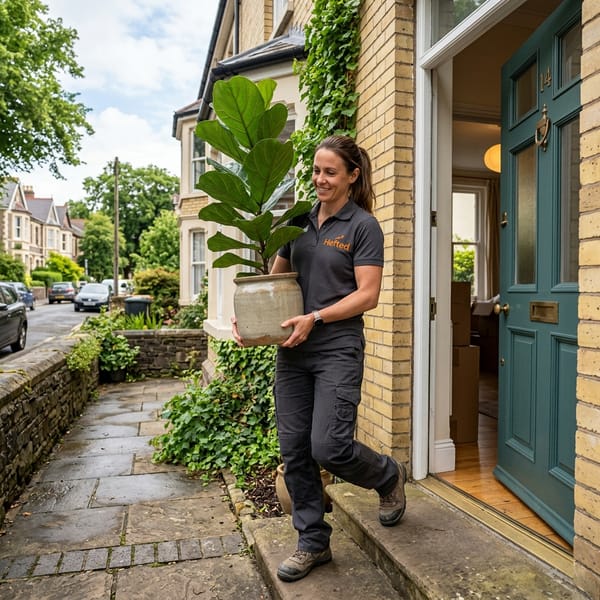
Remote workers expect digital-first solutions. They don't want to deal with analog moving companies. Platforms like Hefted align perfectly with this expectation, offering instant app-based booking, digital contracts, and transparent, algorithm-driven pricing.